

Why paced breathing changes the signal
Slow breathing is frequently presented online as a direct method to increase concentration, raise heart-rate variability or prevent irrational trading. Those propositions are not interchangeable. Breathing rate influences the oscillations in heart rate associated with respiratory sinus arrhythmia; therefore, a measured increase in a particular HRV component during paced respiration can arise partly because the measurement conditions changed. In an experimental investigation, Kromenacker and colleagues examined vagal mediation of low-frequency HRV during slow yogic breathing [1]. The finding illustrates why respiratory timing must be recorded before interpreting HRV as a change in general autonomic readiness. The measurement is sensitive to the procedure used to collect it.
If two recordings are obtained at different breathing rates, differences in spectral HRV may not identify changes in emotional regulation. A researcher should specify whether the intended outcome is a physiological rhythm, subjective stress, objective task performance or real-world decision consistency. Even where a breathing practice reliably changes a physiological measure, it does not follow that traders will execute better, lose less money or anticipate prices. Moving from biological plausibility to market benefit requires several additional links of evidence, each of which could fail.
What an experimental intervention actually examined
Blum, Rockstroh and Göritz compared conventional HRV biofeedback with a virtual-reality presentation following an experimentally induced cognitive stressor in healthy employees [2]. Some differences related to perceived stress, mind wandering and attentional resources, but the trial did not study leveraged gold positions or provide a validated trading intervention. Its contribution is narrower and more valuable: it shows that a breathing-related intervention can be tested against an active comparator with explicit outcomes, rather than assessed through testimonials. How the intervention is delivered may also influence expectation and engagement. A visual nature environment is an additional treatment component, not a neutral wrapper.
Methodological recommendations by Laborde, Mosley and Thayer emphasize careful measurement, preprocessing and reporting when HRV is used in psychophysiological research [3]. Frequency bands, recording length, body position, respiration, signal artifacts and individual health factors can affect results. A consumer application reporting 'stress 18' without a transparent formula is difficult to compare across devices. Neither a wearable score nor an increase in a summary number should be translated into a clinical diagnosis of vagal dysfunction. Research on traders would require particularly careful control because movement, caffeine and financial events can coincide with measurement.
A fair and useful field protocol
A responsible NSI Personal study could randomly assign the timing of a short, low-burden breathing exercise and a plausible comparison routine across comparable sessions, with a prespecified behavioral outcome. The principal endpoint might be completion of a risk checklist or reduction in unplanned interface interactions rather than profit and loss. Conditions should be logged, including recent sleep, physical activity, audio prompts and adherence. Researchers should expect missing data and account for the possibility that participants who practice breathing are also the ones who make fewer impulsive decisions for other reasons. Claims should be restricted to the population and task actually studied.
Repeated practice adds another layer of uncertainty. A person who reports feeling more settled after a breathing exercise may be responding to the pause, to reduced screen stimulation, to expectations about the intervention or to paced respiration itself. All could matter, but they are not the same mechanism. A study with an appropriate comparison group can begin to distinguish them. If the outcome is an improvement in task accuracy, researchers should verify that the participant did not simply receive more time to inspect the instructions. If the outcome is self-reported calm, masking is difficult and expectancy effects require acknowledgment. The strongest communication would distinguish immediate effects during practice from durable change across days or weeks, rather than assuming that any observed benefit persists indefinitely.
There is also a distinction between personal self-regulation and a platform feature. A website can offer an optional breathing timer as a reflection aid, but should not state that its use restores nervous-system health, suppresses cortisol by a fixed percentage or guarantees professional discipline. The Five Dimensions of the Nervous System Indicator can provide conceptual context for Recovery Capacity, while Can Your Nervous System Predict Gold Prices? explains why a within-person physiological change cannot forecast a public price series. If the site collects recordings, informed consent, retention limits and privacy protections become substantive design requirements. In conclusion, paced breathing may be relevant to stress-related experiences and autonomic measurements, yet its mechanisms and effects require outcome-specific testing. The most credible educational message is that physiological responsiveness, subjective calm and decision quality are three different things. NSI Personal can investigate whether structured regulation practices accompany more consistent behavior, but it must resist a tempting leap from a prettier HRV graph to a promise about financial outcomes.
Scientific bibliography & sources
- Kromenacker et al. (2018), vagal mediation during slow breathing https://pubmed.ncbi.nlm.nih.gov/29771730/
- Blum et al. (2019), heart-rate variability biofeedback experiment https://pubmed.ncbi.nlm.nih.gov/31616353/
- Laborde et al. (2017), heart rate variability measurement and reporting https://pubmed.ncbi.nlm.nih.gov/28265249/
Research note
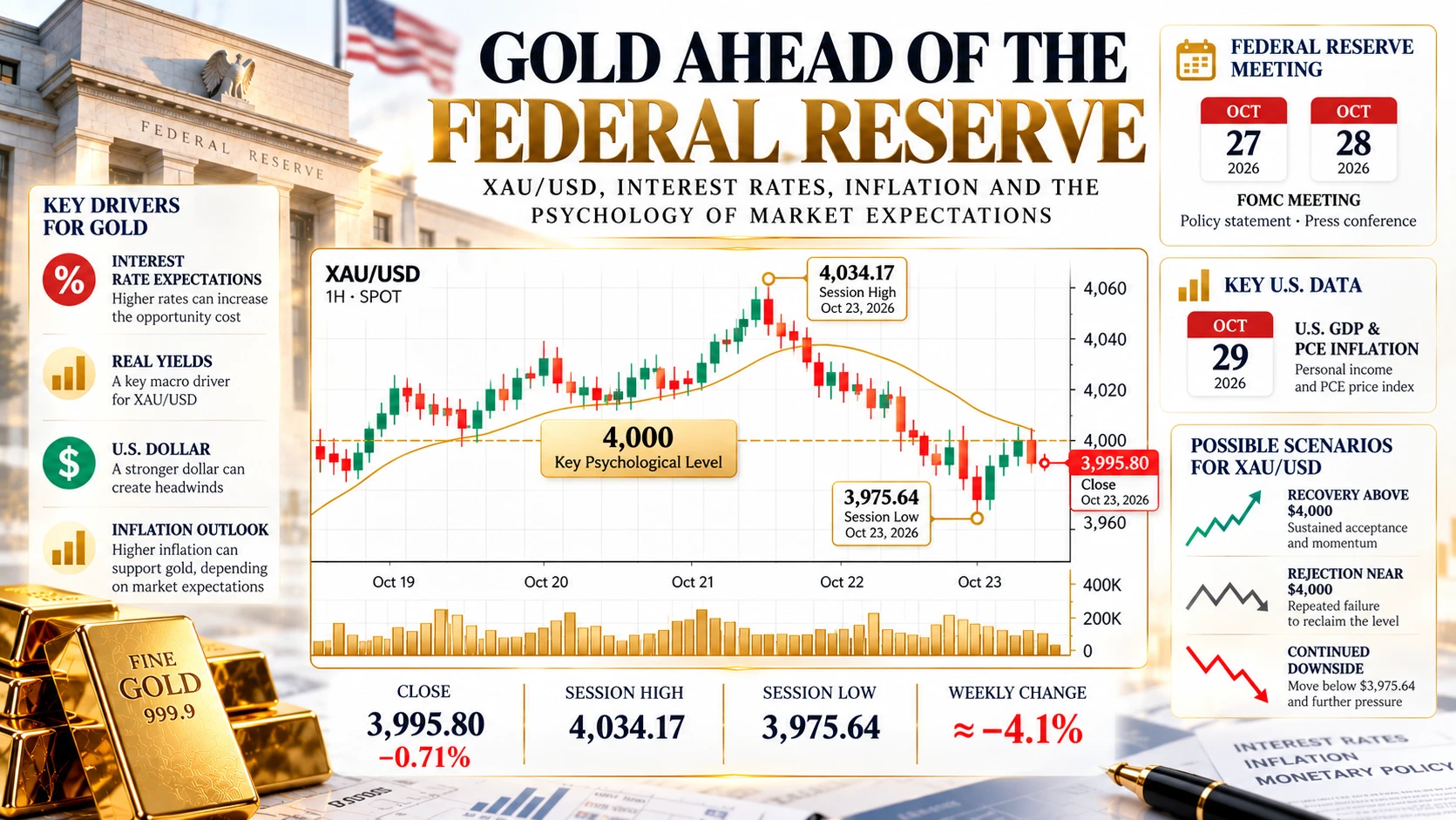
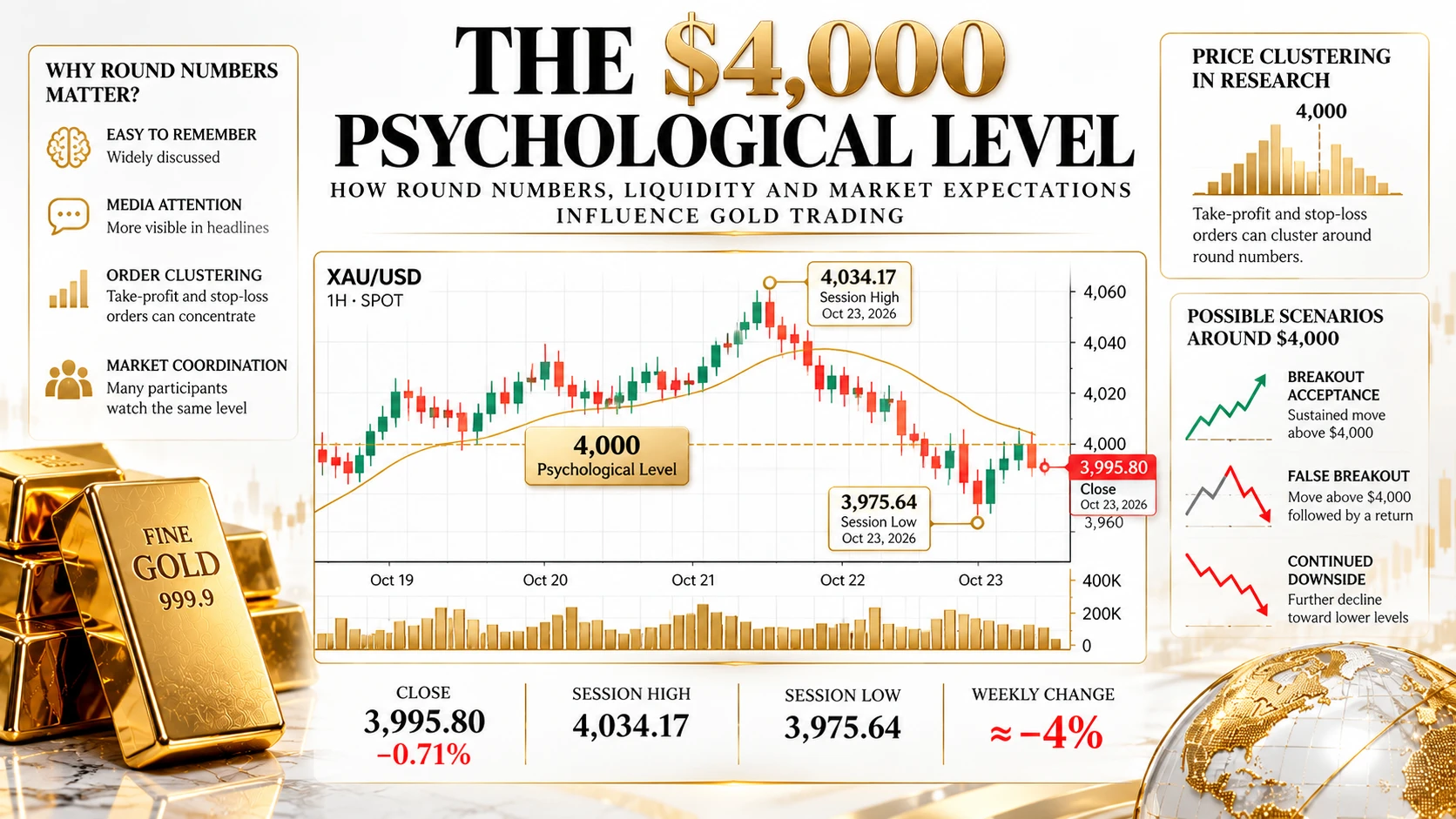
NSI is a proposed research framework, not an independently validated medical or financial prediction system. This article is research and education, not individualized medical or investment advice. Market observations are timestamped historical context, not live prices.
 Market
 Market
 Research