

A single word hides different mental operations
The research question is whether stress has a uniform effect on cognitive flexibility. It does not follow from the evidence that every form of flexible thinking deteriorates in the same way. Task switching involves moving between competing task sets, while updating involves replacing information that is no longer relevant. Researchers studying task-set reconfiguration found that stress conditions changed how participants appeared to prepare for shifts between tasks [1]. An important feature of this work is that its outcome was defined behaviorally, through task performance and switch costs, rather than inferred from a general statement that participants were stressed.
A separate within-subject experiment reported that cortisol responses to acute stress were associated with increased accuracy on an updating component but poorer performance when shifting between different task demands [2]. The result does not establish that stress is helpful overall; it demonstrates that the chosen cognitive outcome matters. Another experimental study reported differences in stress-related cognitive-flexibility performance across participant groups, highlighting how a population-specific result may fail to generalize to all people [3]. Academic precision requires describing these outcomes separately instead of turning 'stress affects the brain' into a blanket explanation for every difficult decision.
Why financial decision systems complicate laboratory transfer
A trader may have to update an earnings or inflation interpretation while retaining an established risk policy. These are different operations. New information can require revising a belief, whereas a sudden change in task demands may require inhibiting a practiced response and performing a new sequence. The conceptual example explains why a study of trading discipline cannot rely on a single vaguely worded flexibility questionnaire. It must decide which operation is under investigation and build an outcome measure that distinguishes correct adaptation from indiscriminate switching. A person changing views repeatedly is not necessarily demonstrating superior flexibility.
The earlier article Acute Stress and the Habit Shift examined the distinction between deliberate goal-directed behavior and more automatic routines. From Intention to Action described how advance plans might help define a response to a known cue. Neither concept can substitute for empirical testing of switching and updating. Stress is also not directly observable as a unique cause from a reaction time or physiological measurement alone. Context, task difficulty, prior knowledge and the incentives attached to success may shape performance. A plausible market story is not automatically a valid neuroscience interpretation.
What a defensible NSI study could measure
An experiment could predefine a stress manipulation, a control condition and separate outcomes for switching cost, updating accuracy and unnecessary changes of strategy. It should record baseline skill, previous exposure to the tasks and the timing of the stressor relative to performance. Repeated trials require appropriate statistical handling, while the specific stress manipulation and ethical safeguards must be transparent. A design that observes only profitable trades would be inadequate because market outcomes depend on chance, transaction costs and exposure. A participant may follow a rule correctly and still lose money.
The conclusion is that cognitive flexibility should be decomposed into operations rather than used as a flattering or negative personal label. Some experiments suggest differentiated effects of stress on changing rules and replacing information, but they do not establish a validated physiological predictor for individual trading outcomes. What Would Validate NSI? outlines the much broader requirement: reliable measurement, independent comparison and replication. A proposed NSI system could eventually study these questions, yet must not claim that cortisol or subjective tension identifies a universal financial decision state. Better decisions begin with clearer definitions, not more confident labels.
A reproducible study of task switching, updating accuracy, reaction time and task-specific stress manipulation should report sampling, timing, task definitions, participant exclusions and a comparison condition in which the proposed effect is absent or smaller. In this domain, the central interpretive danger is assuming stress uniformly decreases every form of cognitive flexibility. Researchers should distinguish the effect of the intervention from practice, motivation and changing conditions, quantify uncertainty, and publish the original hypothesis before viewing outcomes. Even an internally persuasive laboratory result may have limited external validity for financial decision-making, where the market introduces uncontrolled outcomes and additional incentives. A trustworthy research program compares its predictions against simple behavioral baselines, checks performance with independent participants and reports negative results. Converting this evidence into a universal readiness score would require further validation, reliability testing and ethical evaluation, not just a favorable example or appealing interface.
Scientific bibliography & sources
- [1] Steinhauser et al., Cognitive control under stress: task-set reconfiguration experiment https://pubmed.ncbi.nlm.nih.gov/17576268/
- [2] Stress and Cognitive Flexibility: cortisol, updating and switching experiment https://pubmed.ncbi.nlm.nih.gov/27576026/
- [3] Acute stress impairs cognitive flexibility in men, not women: experimental findings https://pubmed.ncbi.nlm.nih.gov/27230831/
Research note
NSI is a proposed research framework, not an independently validated medical or financial prediction system. This article is research and education, not individualized medical or investment advice. Market observations are timestamped historical context, not live prices.
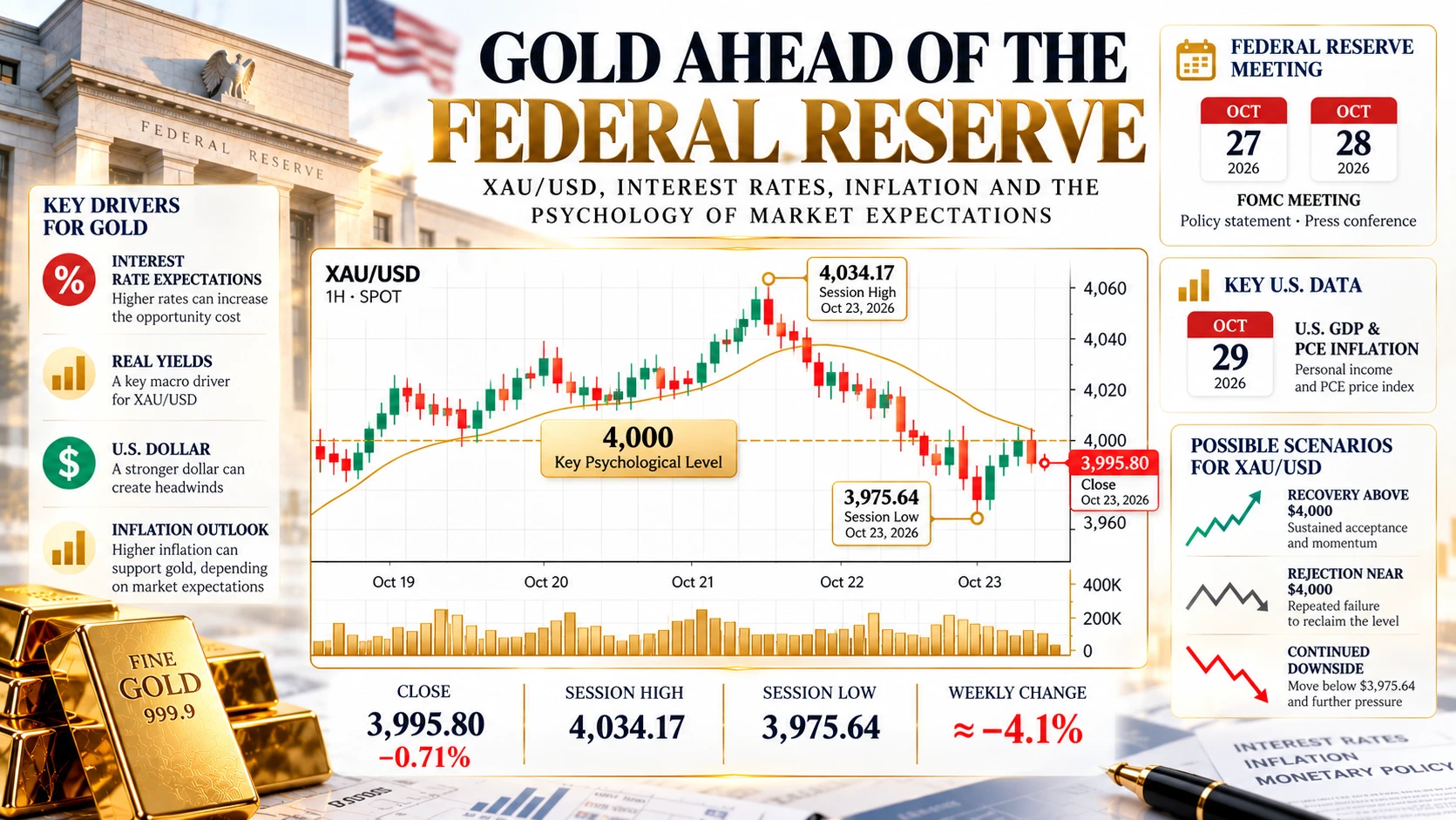 Market
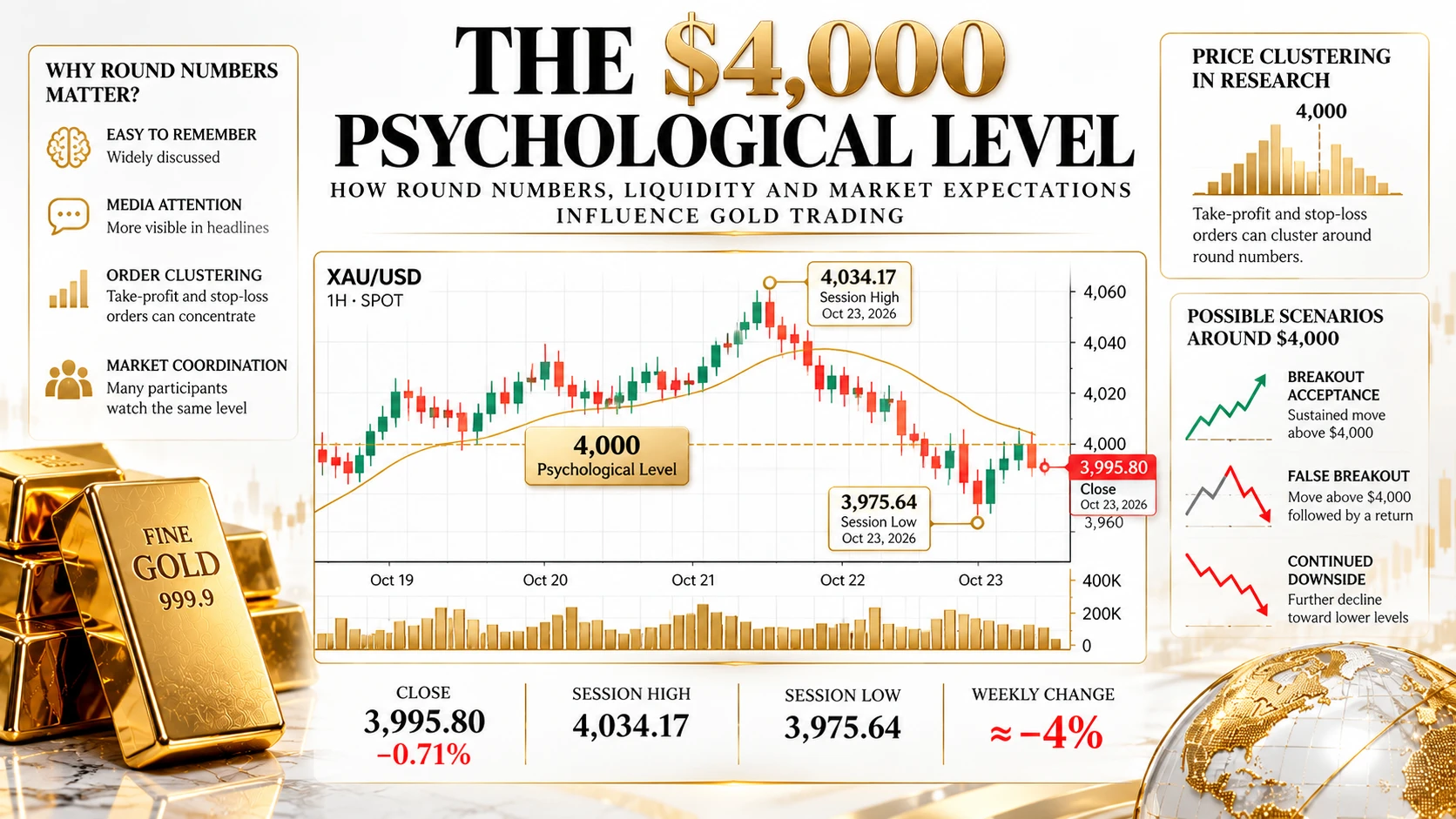 Market
 Research