

The research question is about timing, not a single number
Can two nights of equal duration leave a person with different next-day attentional performance because sleep occurred at different times? A sleep diary that records only 'seven hours' cannot answer that question. Sleep duration measures how long a person slept, while timing records when sleep began, ended and occupied its midpoint relative to the person's biological day. Variability is yet a third feature: whether those times shift across days. The distinction matters when people make demanding decisions during irregular schedules, but it does not justify predicting financial losses from a single late bedtime. The defensible question is whether timing contributes information about subsequent cognition after sleep amount and relevant confounders are considered.
Research by Zhang and colleagues analyzed actigraphy-based weekday–weekend differences in sleep midpoint and duration among 56 healthy participants, alongside brain imaging during a visual attention task [1]. The reported timing and duration differences were not simply interchangeable, and later weekend sleep timing was associated with poorer performance on a more demanding version of the task. That is a substantive observation, yet it is an association within a particular sample and protocol. It neither demonstrates that a delayed bedtime directly caused the performance difference nor proves that a trader with the same pattern will make a financial error. Association becomes useful when its measurement boundaries remain visible.
Why sleeping longer is not the whole mechanism
At first glance, sleep timing and sleep quantity seem easy to collapse: a late bedtime reduces sleep if wake time stays fixed. But if someone sleeps late and also wakes late, the number of hours may remain unchanged while the phase of sleep shifts. A shift can also change exposure to morning light, the interval since waking at a scheduled task, and the alignment between an individual's endogenous circadian rhythm and social obligations. These are plausible pathways, not interchangeable diagnoses. A study of sleep timing needs records of bedtimes, wake times, opportunities for sleep, light exposure and task times. Otherwise duration can masquerade as timing, or a workday constraint can masquerade as biology.
A different line of evidence comes from a laboratory sleep restriction trial. Van Dongen and colleagues randomly assigned healthy adults to restricted nightly time-in-bed opportunities of four, six or eight hours over fourteen consecutive days, with repeated neurobehavioral assessments [2]. This study is relevant because cumulative restriction could produce serious decrements even when subjective judgment was an imperfect guide. Crucially, it tests sleep dose rather than naturally varying sleep midpoint. The Hidden Cost of Six Hours of Sleep concerns this cumulative-dose problem. It should not be cited as proof that a fixed seven-hour night at different clock times produces a particular trading result; that would combine an experimental conclusion with an untested extrapolation.
Circadian phase and elapsed wakefulness are not the same clock
The word 'readiness' often hides at least two biological processes: pressure to sleep after being awake and changes in performance associated with circadian phase. Silva and colleagues examined circadian and wake-dependent influences on subjective sleepiness, cognitive throughput and reaction-time performance in a controlled inpatient protocol, comparing age groups [3]. Their design illustrates why a single report of feeling alert at one clock time cannot isolate the competing contributions of phase and prior wakefulness. These effects also depend on the type of cognitive task. A test of simple reaction time is not equivalent to a complex judgment that requires memory, inhibition, numerical reasoning and uncertainty calibration.
Suppose one person sleeps from 22:30 to 05:30 and another from 01:30 to 08:30, then both attempt the same analysis at 09:00. The second has been awake for less time; the first may have had more morning light and a different degree of sleep inertia. An observed difference in speed or confidence would not identify bedtime as the sole cause. Reverse the test times and the comparison changes again. This hypothetical example is not a measured experiment or a personal sleep prescription. Its purpose is to expose the design problem: unless circadian phase, wake duration, light exposure and task difficulty are controlled or measured, a convenient 'seven hours' label conceals relevant heterogeneity.
From attention experiments to the quality of a real decision
An attentive decision process includes more than fast responses. A careful analyst may need to resist a salient market headline, keep several scenarios in mind and notice when available evidence contradicts a favored thesis. Sleep studies offer tools to measure vigilance and some components of cognitive control, but a laboratory visual-attention result should not be advertised as a validated forecast of trading performance. Nor should a person's self-reported energy be treated as a calibrated measure of objective readiness. Caffeine Can Restore Alertness Without Erasing Sleep Debt covers a related distinction between a subjective or transient alerting effect and the accumulated consequences of restricted sleep. Different outcomes require different instruments and independently validated links.
A research design tailored to decision quality could collect a prespecified fourteen-day schedule of sleep timing and duration using appropriate methods and consent, administer the same cognitive tasks at comparable intervals after waking, and record independent decision-process measures. Analysts would model within-person changes before drawing conclusions from differences among people with distinct chronotypes and occupations. Weekends, travel, illness, shift work, medication, noise and light would need explicit treatment. If the aim is causal inference, randomized or appropriately controlled phase changes would provide stronger evidence than merely associating a late bedtime with an unfavorable next-day outcome. Ethical and practical constraints would shape whether such a protocol is justified.
The NSI proposal invites a further, clearly hypothetical question: might recovery history moderate the association between a person's stated decision rule and their observed adherence to it under pressure? A proper test would need an outcome such as prespecified rule violations, not just subsequent profit and loss. A profitable result can emerge from an impulsive decision, and a disciplined decision can lose money. Sleep timing could be one contextual variable among several, but there is no independently validated NSI medical or market-prediction score. Any proposed composite should first outperform simpler baselines in data collected from independent participants without retrospective threshold tuning.
Conclusion: separate timing, duration and what is actually observed
Sleep timing variability is neither irrelevant nor a universal explanation for impaired judgment. The observational work on weekend–weekday inconsistency suggests that timing contains information worth studying [1]. Controlled restriction research demonstrates a distinct, dose-related question about insufficient sleep [2], while circadian protocols illustrate why task timing and time awake require their own measurement [3]. None of these papers licenses a specific buy or sell rule or a neurological diagnosis. The most useful conclusion is methodological: record the right clock, test the right outcome, and resist collapsing an intricate process into the reassuring precision of one nightly hour total.
Scientific bibliography & sources
- [1] Zhang R, Tomasi D, Shokri-Kojori E, et al. Sleep inconsistency between weekends and weekdays is associated with changes in brain function during task and rest. Sleep (2020). https://pubmed.ncbi.nlm.nih.gov/32333599/
- [2] Van Dongen HPA, Maislin G, Mullington JM, Dinges DF. The cumulative cost of additional wakefulness: dose-response effects on neurobehavioral functions and sleep physiology. Sleep (2003). https://pubmed.ncbi.nlm.nih.gov/12683469/
- [3] Silva EJ, Wang W, Ronda JM, Wyatt JK, Duffy JF. Circadian and wake-dependent influences on subjective sleepiness, cognitive throughput, and reaction time performance. Sleep (2010). https://pubmed.ncbi.nlm.nih.gov/20394317/
Research note
NSI is a proposed research framework, not an independently validated medical or financial prediction system. This article is research and education, not individualized medical or investment advice. Market observations are timestamped historical context, not live prices.
 Market
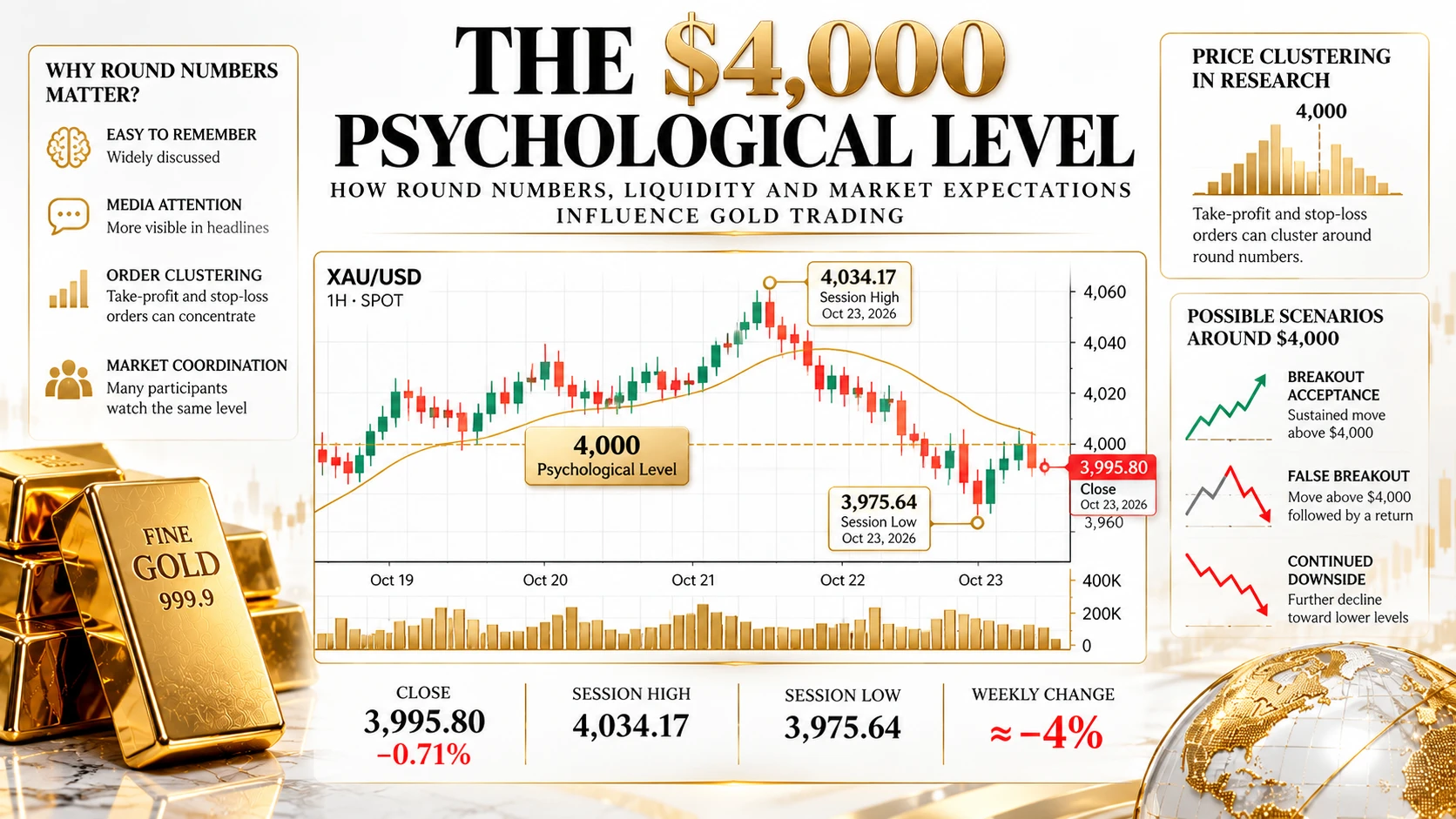 Market
 Research