

What the reported reserve flows establish
Central-bank gold buying is frequently invoked as an explanation for every upward move in XAU/USD, but official reserve management operates on horizons and institutional mandates that differ from short-term speculative trading. World Gold Council estimates released on July 30, 2026 reported about 289 tonnes of net official-sector purchases in the second quarter, following a revised first-quarter estimate of roughly 57 tonnes [1]. These quarterly observations show the importance of official demand, but they are not a timestamped feed of market orders. Attributing a particular intraday rally to reserve purchases would require evidence about execution that the aggregate quarterly series cannot provide.
The same report notes that official-sector data can be revised, particularly where reporting is delayed or estimates incorporate unreported buying [2]. Its regional examples also demonstrate diversity rather than a uniform policy. Some central banks accumulate strategically, others sell or manage swaps as reserve needs change. A statement such as 'central banks bought gold' compresses those opposite decisions into one sector total. Analysts should say whether they are discussing reported reserve holdings, estimated purchases, transfers, swaps or changes in accounting value. Gold holdings measured in dollars can rise because the price rises even when the number of tonnes is unchanged.
Three horizons that should never be confused
The World Gold Council's wider Q2 2026 report gives a different picture for other categories: gold-backed ETF holdings declined during the quarter while bar-and-coin investment remained substantial [3]. Long-horizon official demand, fund flows and retail buying may point in different directions. A daily XAU/USD move can be dominated by expectations about funding, currencies or hedging even against a backdrop of robust reserve accumulation. This is not a paradox. Different participants respond to distinct constraints, and the price clears all marginal orders rather than reflecting a vote among investor types.
Consider a hypothetical day of dollar strength and rising real yields during which gold weakens. A central bank may still be implementing a multi-month reserve-diversification plan through intermediaries. The two events are compatible because the relevant horizons differ. To establish that an official buyer supported a particular price level would require order-flow evidence and timing. A quarterly estimate issued weeks after the fact is not enough. Equally, using a revised reserve total to backtest a model as though the revision had been public on the transaction date creates look-ahead bias and artificially flattering results.
A reserve-demand research protocol
A careful analysis can describe quarterly net purchases, revisions, known national reserve disclosures and the difference between volume and valuation effects. It should identify which observations are estimates and which are official releases, then compare their release dates with market prices. A transparent chart would label each quarter's publication date rather than draw a false continuous curve between sparse data points. When testing price implications, seasonal patterns, exchange-rate conditions and fund flows may be relevant controls. The appropriate dependent variable and time horizon must be prespecified.
Reserve managers are also constrained by governance in ways that individual speculative traders are not. Diversification targets, eligible counterparties, custody arrangements, reporting schedules and political accountability may affect how and when gold is acquired. A reported increase in reserves could reflect a deliberate long-horizon allocation decision rather than a forecast about the next Federal Reserve statement. Conversely, sales may reflect a country's balance-of-payments or liquidity needs rather than a negative strategic view of bullion. Comparative research should therefore examine changes in total reserves, foreign-currency reserves and the share allocated to gold, with appropriate attention to valuation effects. These distinctions prevent official-sector reports from becoming an all-purpose explanation for price moves that were generated in a different market segment or time frame.
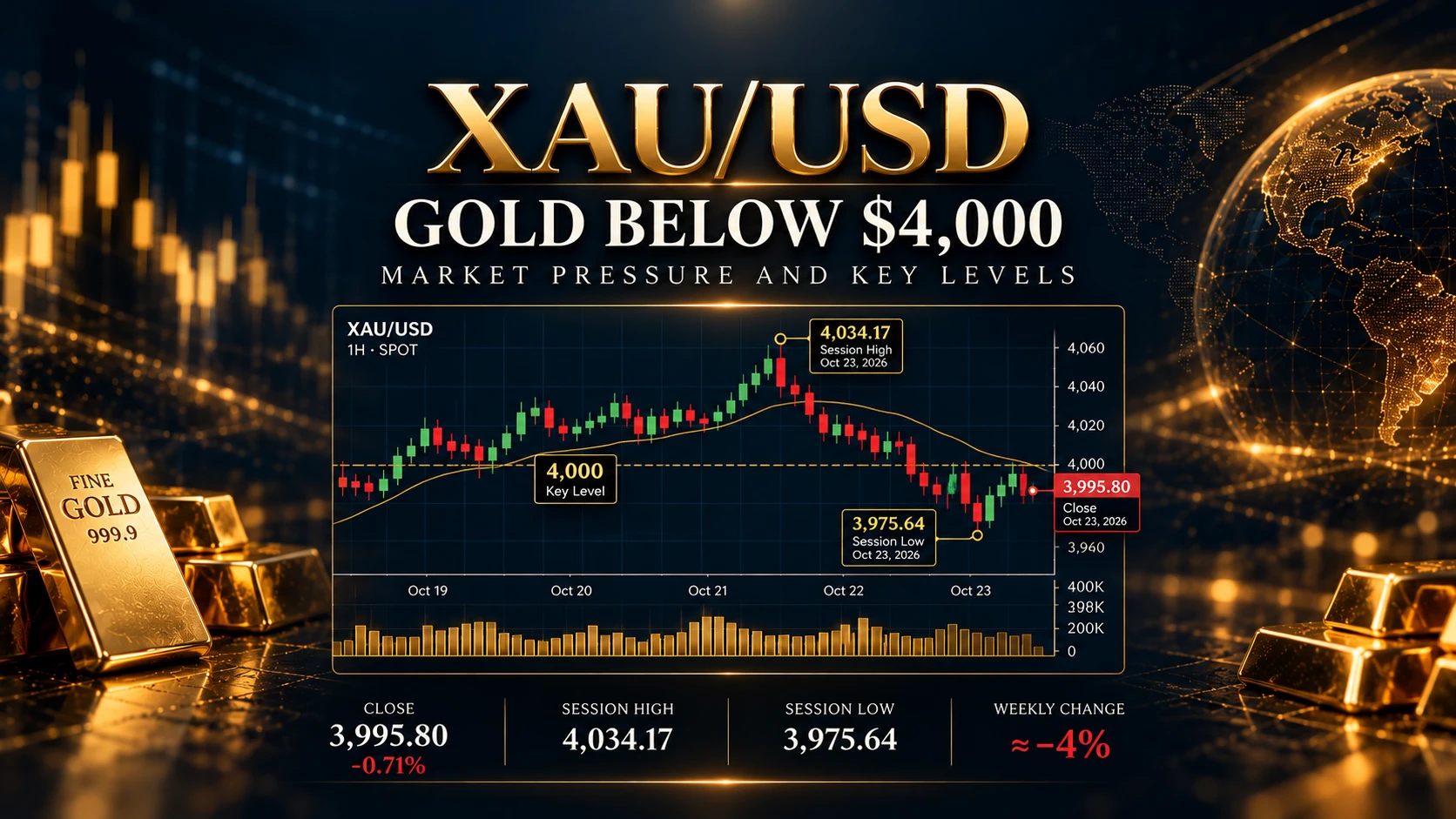
Reserve buying can support a structural investment thesis without providing a profitable entry point at today's quote. Investors may already have incorporated the information into expectations; an additional report can therefore generate little immediate reaction. Our related analysis, Why Gold Fell During Market Stress, illustrates why urgent balance-sheet constraints can overwhelm a long-term holding motive. The $4,000 Psychological Level explains a separate microstructure question: widely watched price landmarks should not be confused with evidence that central banks are placing orders there. In conclusion, Q2 2026 official demand is a documented fact, but the mechanism linking it to any particular minute of trading remains unproven without finer data. NSI Market can responsibly analyze reserve flows as part of the macroeconomic environment and compare them with alternative demands. It cannot infer that policymakers are buying at a specific chart level, that every rise is official-sector driven or that demand figures reveal a collective psychological state. The strength of the research lies in respecting what its frequency and source can actually establish.
Scientific bibliography & sources
- World Gold Council (2026), Central-bank gold demand Q2 2026 https://www.gold.org/goldhub/research/gold-demand-trends/gold-demand-trends-q2-2026/central-banks
- World Gold Council (2026), Gold Demand Trends Q2 2026 https://www.gold.org/goldhub/research/gold-demand-trends/gold-demand-trends-q2-2026
- London Bullion Market Association, LBMA Gold Price methodology https://www.lbma.org.uk/prices-and-data/lbma-gold-price
Research note
NSI is a proposed research framework, not an independently validated medical or financial prediction system. This article is research and education, not individualized medical or investment advice. Market observations are timestamped historical context, not live prices.
 Market
 Market
 Market