

Why a break is a hypothesis rather than a magic reset
The research question is whether briefly interrupting sustained attention can help maintain task performance. An experiment by Ariga and Lleras tested the possibility that brief, rare interruptions of a task goal could reduce the vigilance decrement that develops during prolonged activity [1]. The work suggests that how a task is represented and resumed matters, not simply whether a person spends a fixed amount of time away from a screen. This mechanism is relevant to research on sustained monitoring, but it does not prove a profitable trading technique. Maintaining attention to a laboratory task and predicting a highly uncertain financial price are fundamentally different outcomes.
Related experiments by Berman, Jonides and Kaplan explored how interactions with natural environments affect directed attention and compared performance with urban conditions [2]. Further experimental work examined whether viewing natural imagery could influence executive attention among older adults [3]. These findings cannot be merged into a single rule that any landscape, walk or screen break improves market judgment. The interventions differ in duration, context and participants. The Vigilance Decrement provides useful background on monitoring, while the present question is narrower: which interruptions preserve attention, under which conditions and measured through which outcomes?
The hidden cost of continuous financial monitoring
Continuous chart watching creates a changing task: the observer attempts to recognize new evidence while filtering irrelevant price fluctuations. A trader can also become attached to a fixed interpretation, making each new tick appear like confirmation or threat. A pause might create an opportunity to check the original decision criteria rather than continuing a loop of repetitive monitoring. Yet the improvement, if any, must be measured objectively. A person might report feeling refreshed while making the same number of errors or overlooking a critical new fact. Subjective relief and decision accuracy are related questions but are not equivalent.
Breaking away can also have costs. A short interruption may produce missed information, a reorientation burden on return, or unnecessary changes to a plan. A robust decision protocol should define what information genuinely requires continuous observation, which tasks can safely be paused and which actions require additional authorization. From Intention to Action suggests that precommitted cues may be studied for rule adherence; Naming an Emotion Is Not Explaining a Market cautions against treating the emotional state during a pause as an explanation for the market itself. A scientifically grounded approach tests whether the break changes process quality, not whether a story about the break feels compelling.
Designing an experiment without making medical or financial claims
A possible study would randomize people performing a standardized monitoring task to brief goal interruptions, a continuous-task condition, and a matched control interruption. Predefined outcomes could include detection accuracy, false alarms, reaction-time variability and correct resumption of the task. Researchers should control for sleep, baseline attention, practice, time of day and the complexity of the task. If a simulated financial interface is used, the sequence of market information must be standardized across participants. Otherwise apparent performance improvements could reflect easier market scenarios rather than changes in attention. Publication should include unsuccessful conditions as well as successful ones and explain how results transfer, or fail to transfer, outside the laboratory. The conclusion is not that every trader needs precisely timed breaks or that nature exposure produces higher gold-trading returns. It is that attention is a measurable but limited resource, and short interruptions deserve experimental examination rather than commercial promises. NSI remains a proposed research framework, not a validated medical monitor or financial prediction product. Any practical recommendation about financial activity must remain subordinate to independent evidence about risk and task performance.
A reproducible study of attention-task accuracy before and after short interruptions should report sampling, timing, task definitions, participant exclusions and a comparison condition in which the proposed effect is absent or smaller. In this domain, the central interpretive danger is assuming that every pause restores attention or guarantees better trades. Researchers should distinguish the effect of the intervention from practice, motivation and changing conditions, quantify uncertainty, and publish the original hypothesis before viewing outcomes. Even an internally persuasive laboratory result may have limited external validity for financial decision-making, where the market introduces uncontrolled outcomes and additional incentives. A trustworthy research program compares its predictions against simple behavioral baselines, checks performance with independent participants and reports negative results. Converting this evidence into a universal readiness score would require further validation, reliability testing and ethical evaluation, not just a favorable example or appealing interface.
Scientific bibliography & sources
- [1] Ariga and Lleras, brief and rare mental breaks keep you focused: experiment https://pubmed.ncbi.nlm.nih.gov/21211793/
- [2] Berman, Jonides and Kaplan, the cognitive benefits of interacting with nature https://pubmed.ncbi.nlm.nih.gov/19121124/
- [3] Gamble, Howard and Howard, viewing nature pictures and executive attention experiment https://pubmed.ncbi.nlm.nih.gov/25321942/
Research note
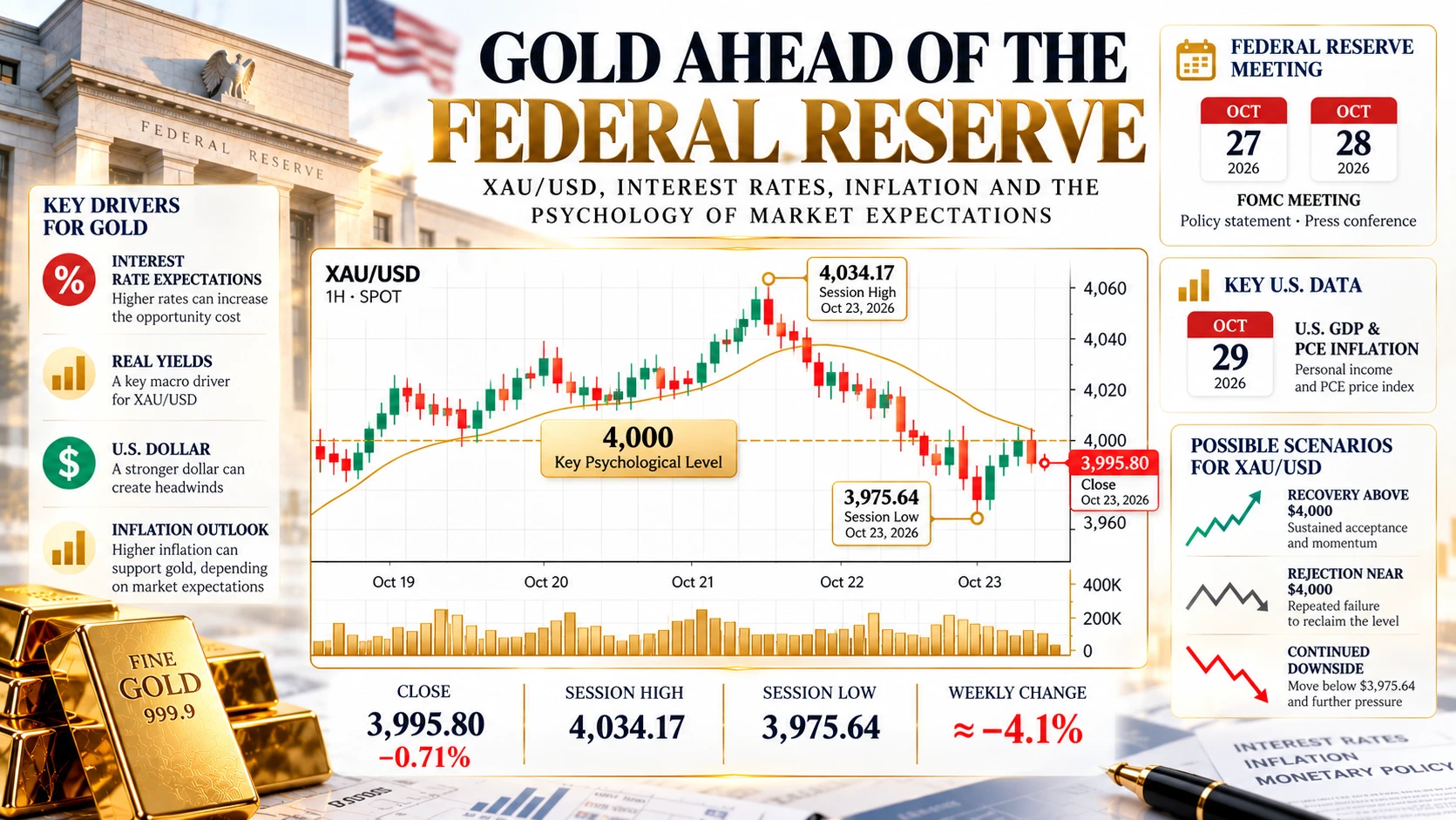
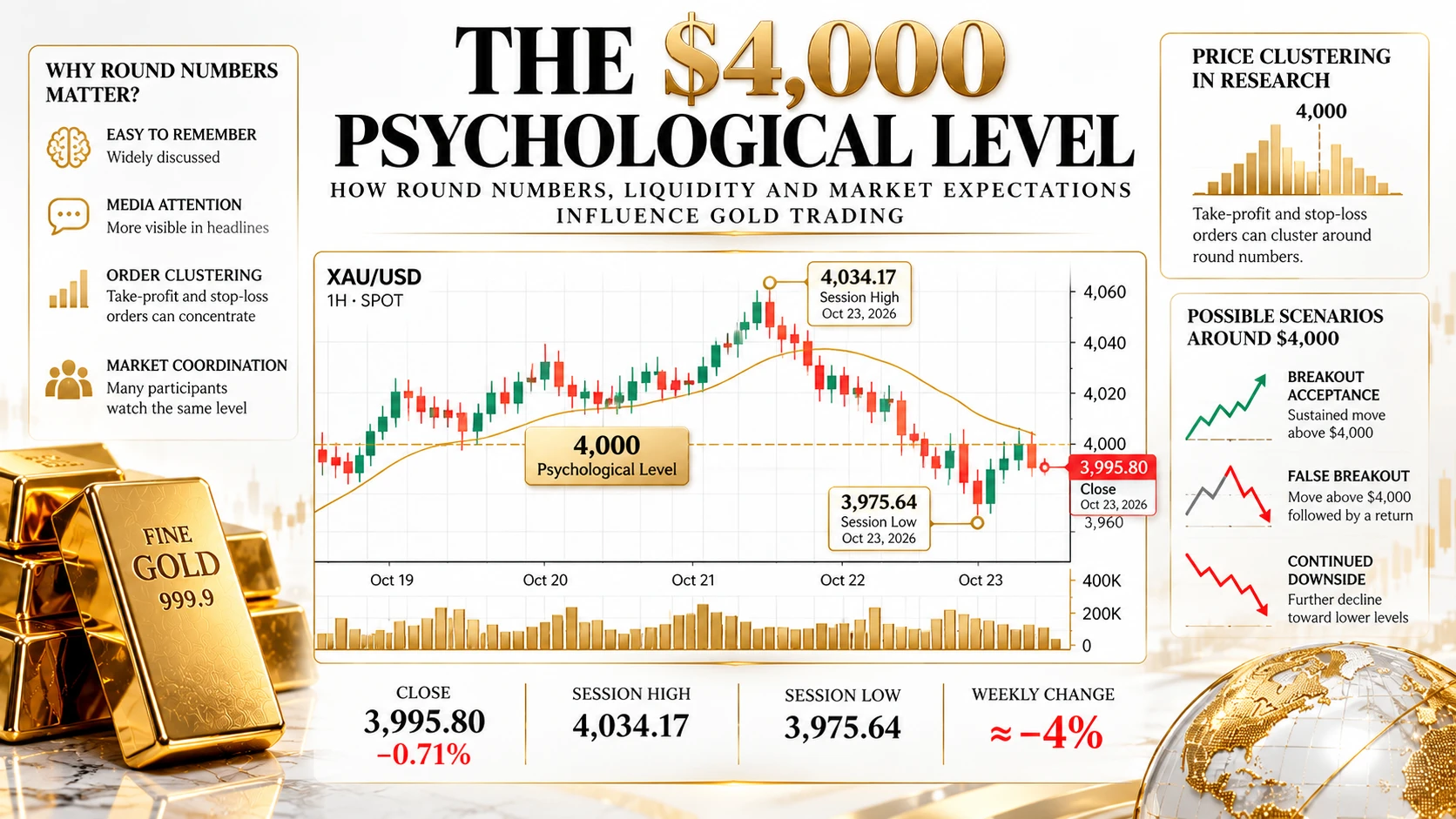
NSI is a proposed research framework, not an independently validated medical or financial prediction system. This article is research and education, not individualized medical or investment advice. Market observations are timestamped historical context, not live prices.
 Market
 Market
 Research