

The mistaken assumption: a margin call reveals one side of the trade
A gold trader who hears that leveraged accounts are facing margin calls may conclude that a large price fall is imminent. That inference skips the most important detail: which accounts, which directions, which collateral rules and which moments are involved? A futures contract links a buyer and a seller. When its quoted price changes, gains and losses are transferred through the clearing and settlement structure. A call for additional funds is a condition of an account, not a directional vote from the market. CME Group distinguishes initial margin from maintenance margin and explains that a maintenance breach can require funds sufficient to restore initial levels [1].
Consider two hypothetical portfolios at the same gold futures price. One participant holds a long contract financed with ample liquid collateral. Another holds the identical long exposure with the minimum permissible cushion, while a third has a short position hedging an inventory of physical bars. A downward move can cause the weakly funded long to face a call; an upward move can cause the weakly funded short to face one. The hedger's economic exposure may be different from what the futures position suggests. It follows that an announcement about margin strain cannot identify whether aggregate gold demand has risen or fallen without position direction, funding and offsetting exposure data.
Margin terms also change independently of any particular trader's conviction. Clearing houses set financial resources according to risk, contract characteristics and volatility. An increase in requirements can force a participant to add collateral or reduce positions even while that participant's forecast remains unchanged. The distinction is crucial: a liquidity constraint is a balance-sheet event, whereas a forecast is a belief about a future price. They may interact, but one must not be silently translated into the other. CME's published gold futures specifications are an appropriate starting point for confirming the product whose contract size and exposure are being discussed [2].
From account stress to market price: a chain with missing links
A margin call may lead to a deposit, a transfer of eligible collateral, a voluntary position reduction or, under applicable brokerage rules, a liquidation. These paths have different price consequences. Supplying cash avoids a market order entirely. Cutting a portfolio's risk may involve selling a long or buying back a short. Closing a spread can create simultaneous transactions in contracts with different maturity dates. Even an observed surge in trading volume is insufficient to classify all these actions. Reporting the mere existence of margin calls as evidence of forced gold selling confuses a possible channel with a measured outcome.
Price impact depends on the time and venue where the resulting orders arrive. A large aggressive order against thin displayed depth can move the best quote substantially; the same order split across multiple liquid intervals may produce a different execution pattern. Futures volume, displayed order-book depth and open interest describe different dimensions of activity. The distinction also matters when a margin requirement is adjusted across many markets at once: an institution may sell an unrelated asset to fund its gold exposure, or vice versa. No single gold chart reveals that intermarket funding decision.
The Commodity Futures Trading Commission publishes positioning reports with classifications and reporting conventions, but those reports do not provide a real-time register of individual margin calls [3]. They cannot reliably identify what happened between the reporting snapshot and a later market move. Nor should a reader combine last week's positions with today's price and invent a contemporaneous causal story. As of 10 November 2026, this article presents the clearing mechanism and research method; it does not claim to have observed current forced liquidation or a particular margin rule change.
How to investigate a credible collateral-driven gold move
An evidence-based investigation would first establish an exact exchange contract, the effective date of an official margin schedule and whether the change affected initial, maintenance or both categories. It would then establish the instrument's transaction hours and obtain time-stamped volume, spread and depth measures for a pre-specified window. Relevant institutional announcements should be distinguished from commentary that interprets them. Without verified exchange notices and transaction-level evidence, terms such as 'margin squeeze' are hypotheses rather than explanations. Researchers should also identify whether the observed price is spot XAU/USD, a gold futures contract or a benchmark auction price.
Next, the analyst would formulate competing mechanisms before examining a favorable chart. One hypothesis predicts long-position liquidation, a second short covering, a third cross-asset collateral sales and a fourth ordinary response to macroeconomic news. These hypotheses demand different observations. The first requires evidence of selling pressure in long exposures; the second points to buying pressure from closing shorts; the third may appear outside gold; the fourth requires a timestamped external catalyst. A researcher who only checks whether gold moved is unable to distinguish these alternatives. Event windows and controls are central to the reasoning.
For a trader, the practical rule is not to reverse every claim that margin calls are bearish. It is to demand the missing dimensions: participant exposure, direction, collateral buffers, settlement timing and market liquidity. Institutional risk procedures can amplify volatility under some conditions, yet they also create orderly settlement incentives. Nothing in the CME margin explanation, contract specifications or CFTC reporting framework supports turning an unspecified margin call into a dependable XAU/USD forecast [1][2][3]. The conclusion is therefore about evidence quality: account financing and market direction must be analyzed separately before a causal link is asserted.
Scientific bibliography & sources
- [1] CME Group. Performance Bonds/Margins FAQ: initial margin, maintenance margin and calls. https://www.cmegroup.com/solutions/risk-management/performance-bonds-margins/faq-performance-bonds-margins.html
- [2] CME Group. Gold Futures (GC): exchange contract specifications and risk information. https://www.cmegroup.com/markets/metals/precious/gold-futures.html
- [3] CFTC. Commitments of Traders: report methodology and published positioning. https://www.cftc.gov/MarketReports/CommitmentsofTraders/index.htm
Research note
NSI is a proposed research framework, not an independently validated medical or financial prediction system. This article is research and education, not individualized medical or investment advice. Market observations are timestamped historical context, not live prices.
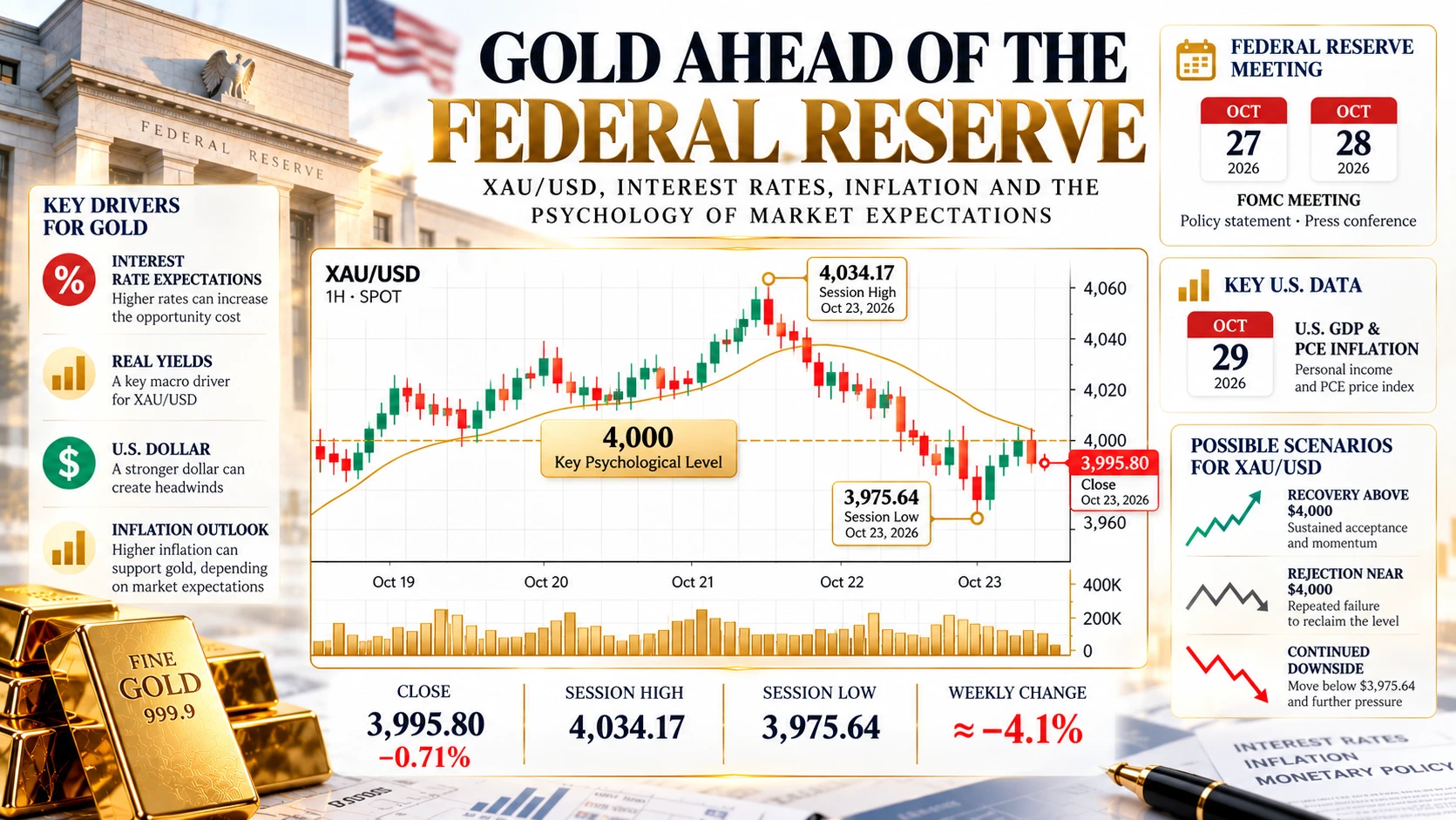 Market
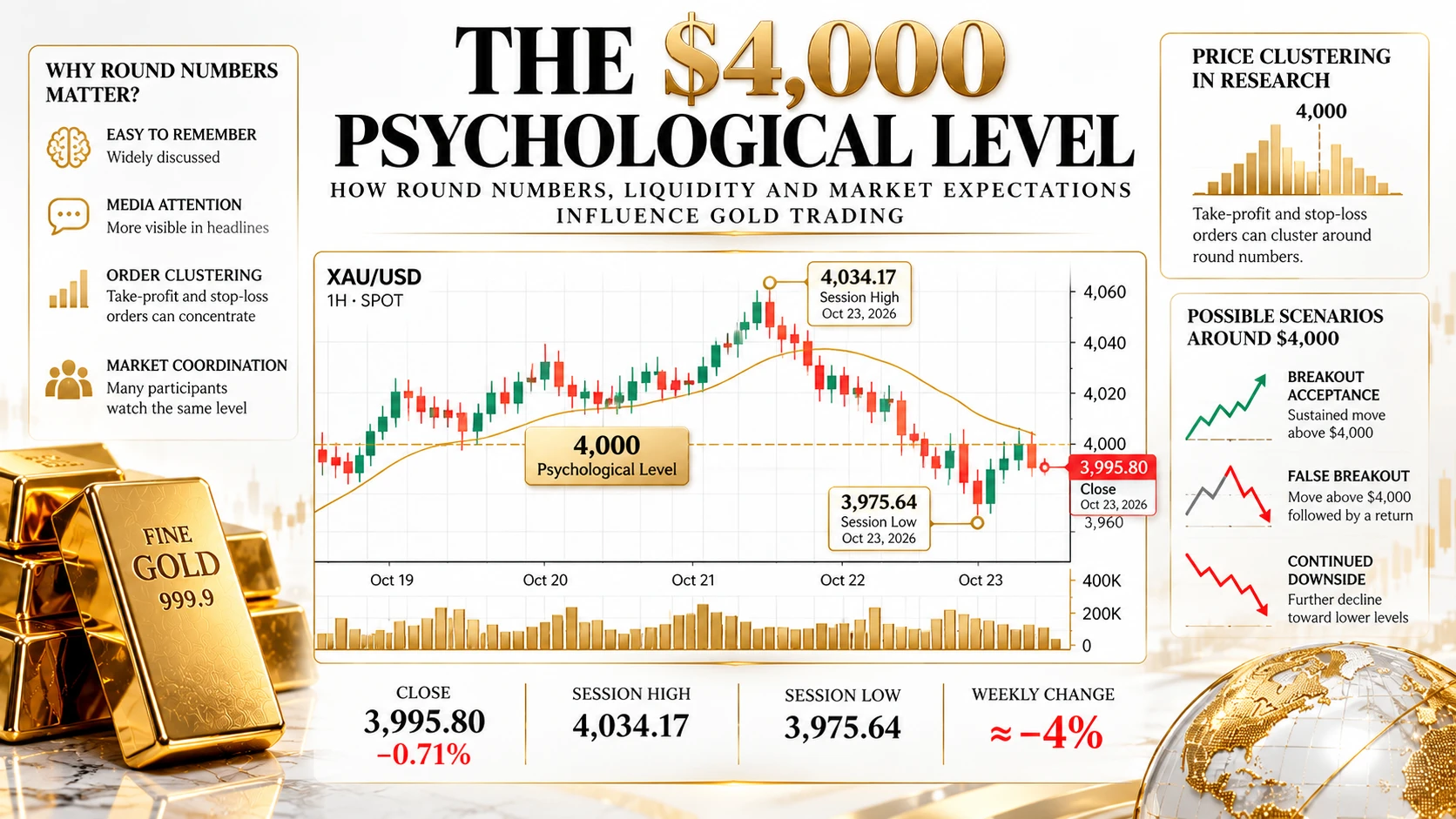 Market
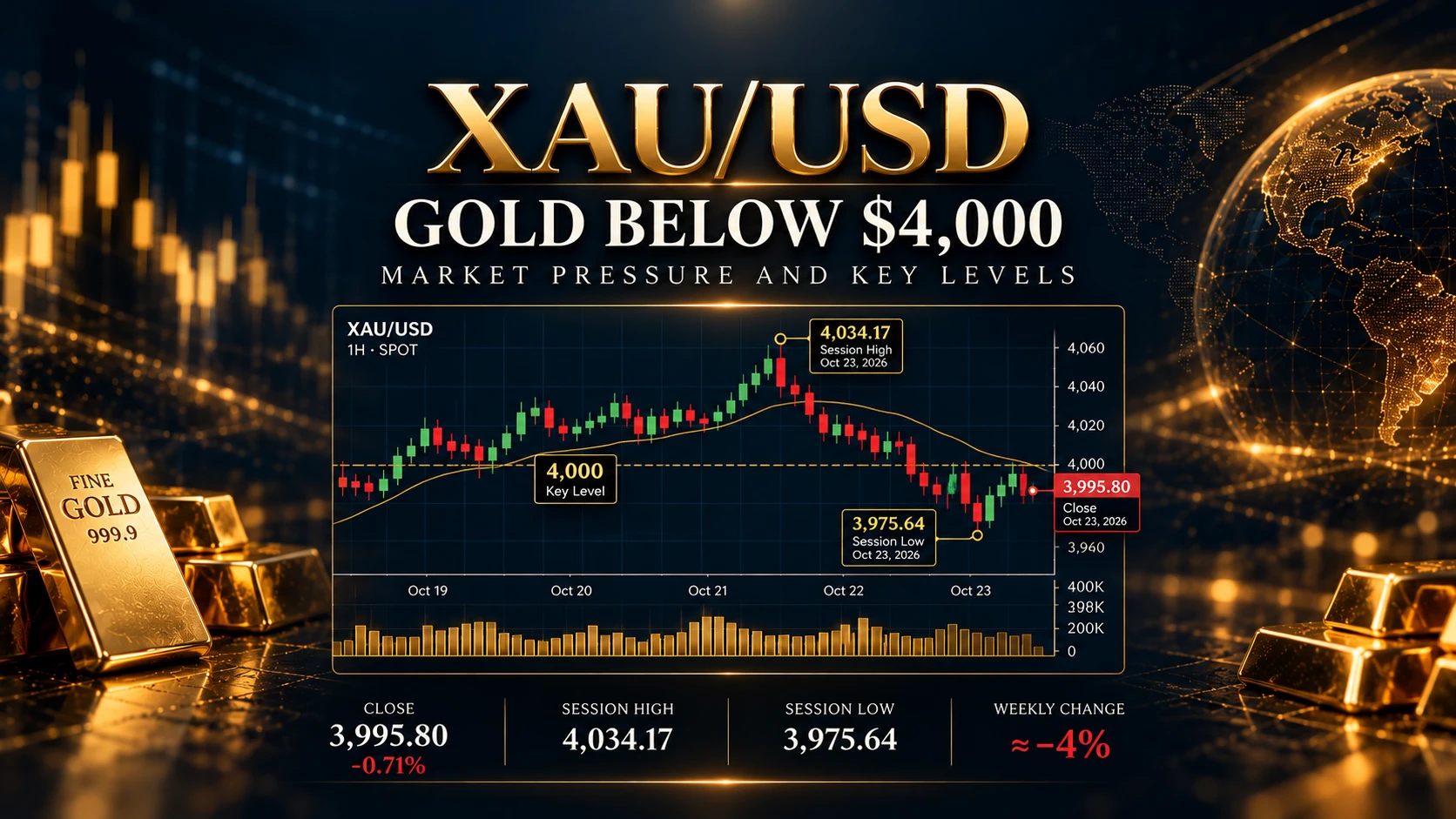 Market