

One asset, two reporting currencies
A quote of XAU/USD answers a precise question: how many US dollars are offered for a specified quantity of gold at a stated venue and time? It does not by itself answer how much an investor in euros, dirhams or yen has gained. The investor's base-currency result is the product of a gold-price change and a foreign-exchange translation. If gold is stable in dollars but the investor's local currency falls against the dollar, the translated gold value can rise. If the local currency strengthens, the same dollar-denominated holding can lose value without any independent gold-price change.
For a simple illustration, suppose a hypothetical ounce is worth exactly the same number of dollars at two observation times. If the exchange rate moves from 1.10 to 1.20 dollars per euro, dividing the unchanged dollar price by the later exchange rate produces fewer euros per ounce. This is arithmetic, not a market forecast. A person who reports a flat US-dollar chart as 'gold did nothing' is describing one numeraire only. The euro investor had a different mark-to-market experience, before fees and taxes, because the dollar-to-euro conversion changed. The European Central Bank publishes reference foreign-exchange rates with a defined daily process and explicitly cautions that its rates are informational rather than executable transaction quotes [1]. That distinction matters in research. One must align the FX observation with the gold observation: using a gold price from the New York close and a currency reference from a different hour manufactures a time mismatch. Market moves between those times are not measurement error in the data source; they are an error in combining observations.
The gold benchmark is not the local execution price
Even with synchronized FX data, a second distinction remains. A London gold auction benchmark, a broker's XAU/USD indication and a physical retailer's asking price represent different market mechanisms. LBMA publishes information on its gold pricing benchmarks, including their auction-based nature [2]. An investor converting an investment fund or buying a small bar may encounter a fund price, spread, fabrication premium, storage charge or dealer conversion rate. Those frictions are not captured by multiplying a benchmark by an official currency reference. Two investors may hold economically similar gold exposure but face very different return paths. One might hold physically allocated bullion paid for in a local currency; another might buy an exchange-traded security that tracks bullion through a particular legal and operational structure; a third might use a gold future funded with margin. Currency hedging may remove some exchange-rate variability but introduces hedging cost, roll mechanics, collateral and basis questions. None of these differences proves that one exposure is inherently better. They simply define different cash-flow and risk objects.
An analysis should therefore specify not merely the word 'gold' but the ownership, valuation and funding arrangement. The World Gold Council's gold-market research distinguishes prices, investment demand and instruments rather than treating all forms of gold exposure as identical [3]. That separation is particularly important in multilingual international reporting, where readers can unconsciously compare dollar headlines with local-currency purchase experiences. The apparent contradiction can disappear after the unit of account and transaction conditions are declared.
A reproducible return calculation
A careful comparison begins with three logged facts: a gold-price series with a stable definition, an exchange-rate series with a known base and quote convention, and a timestamp policy. The analyst computes local-currency value at each matching observation, then calculates the percentage change on those local values. If investment fees, dealer spreads or hedging instruments are included, they belong in a separately specified net-return calculation. One should never present an unadjusted benchmark series as if it were an investor's realized after-cost return. The comparison also requires a sensitivity check. Move the observation time within a reasonable documented window, change the benchmark only if the research question calls for it, and quantify the impact of currency moves separately from bullion price moves. This decomposition can reveal whether a dramatic local-currency return originated in bullion, foreign exchange, or both. It cannot by itself establish the economic cause of either market. Explanations involving interest rates, physical demand or safe-haven behavior require additional independent evidence.
As of 10 November 2026, this is a methodological explanation rather than an assertion about today's exact spot quotation or any single currency's expected path. The key conclusion is that a global gold price and a personal investment return answer different questions. A transparent gold terminal should offer explicit currency conversion with source and timestamp labels, not silently call a translated number the 'real' gold price. That policy makes international comparison more accurate and prevents currency arithmetic from being mistaken for a trading signal [1][2][3].
Scientific bibliography & sources
- [1] European Central Bank. Euro foreign exchange reference rates and publication methodology. https://www.ecb.europa.eu/stats/policy_and_exchange_rates/euro_reference_exchange_rates/html/index.en.html
- [2] LBMA. LBMA Precious Metal Prices: auction benchmarks and information. https://www.lbma.org.uk/prices-and-data/lbma-precious-metal-prices
- [3] World Gold Council. Goldhub: gold market investment and price research. https://www.gold.org/goldhub
Research note
NSI is a proposed research framework, not an independently validated medical or financial prediction system. This article is research and education, not individualized medical or investment advice. Market observations are timestamped historical context, not live prices.
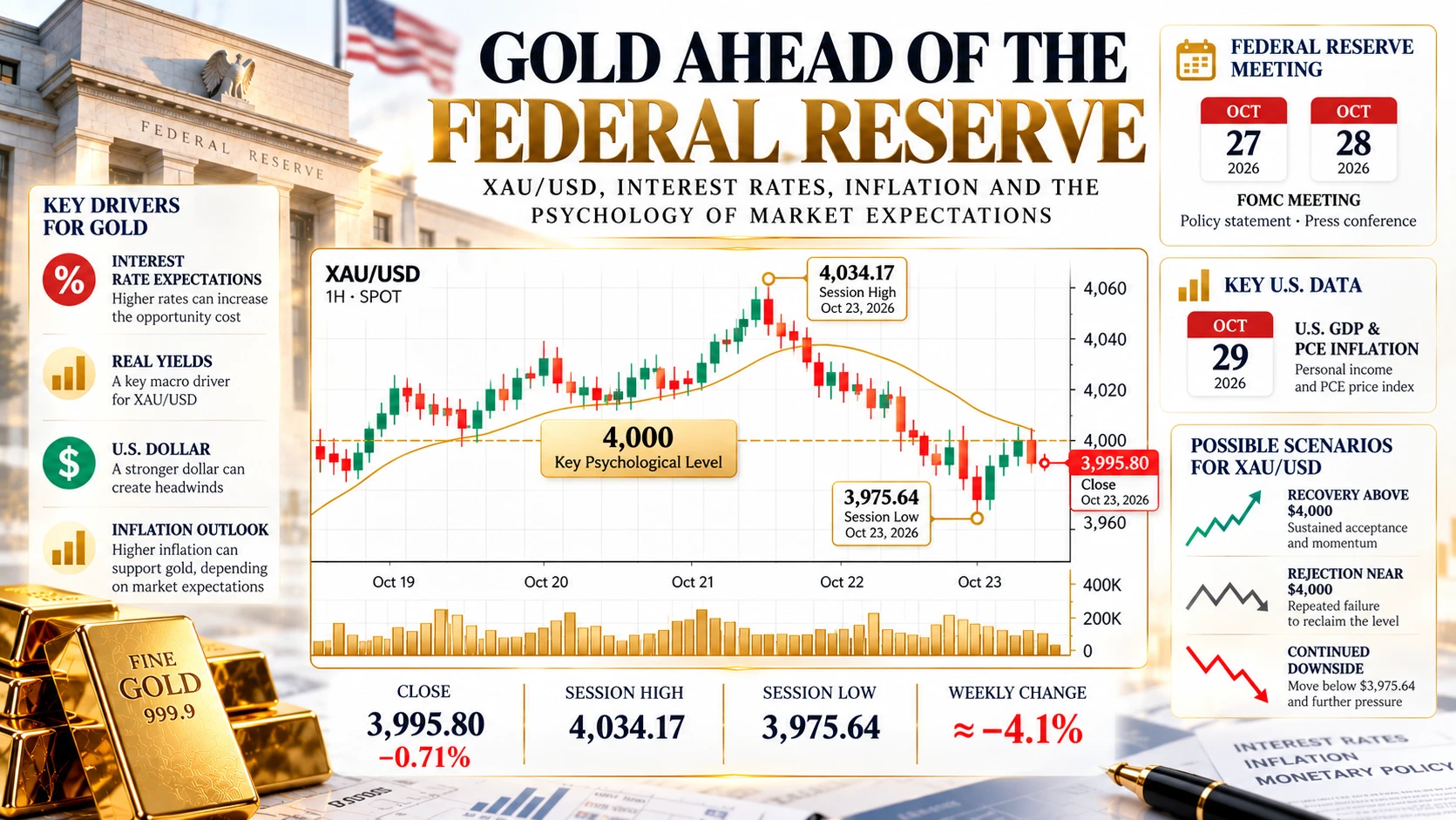 Market
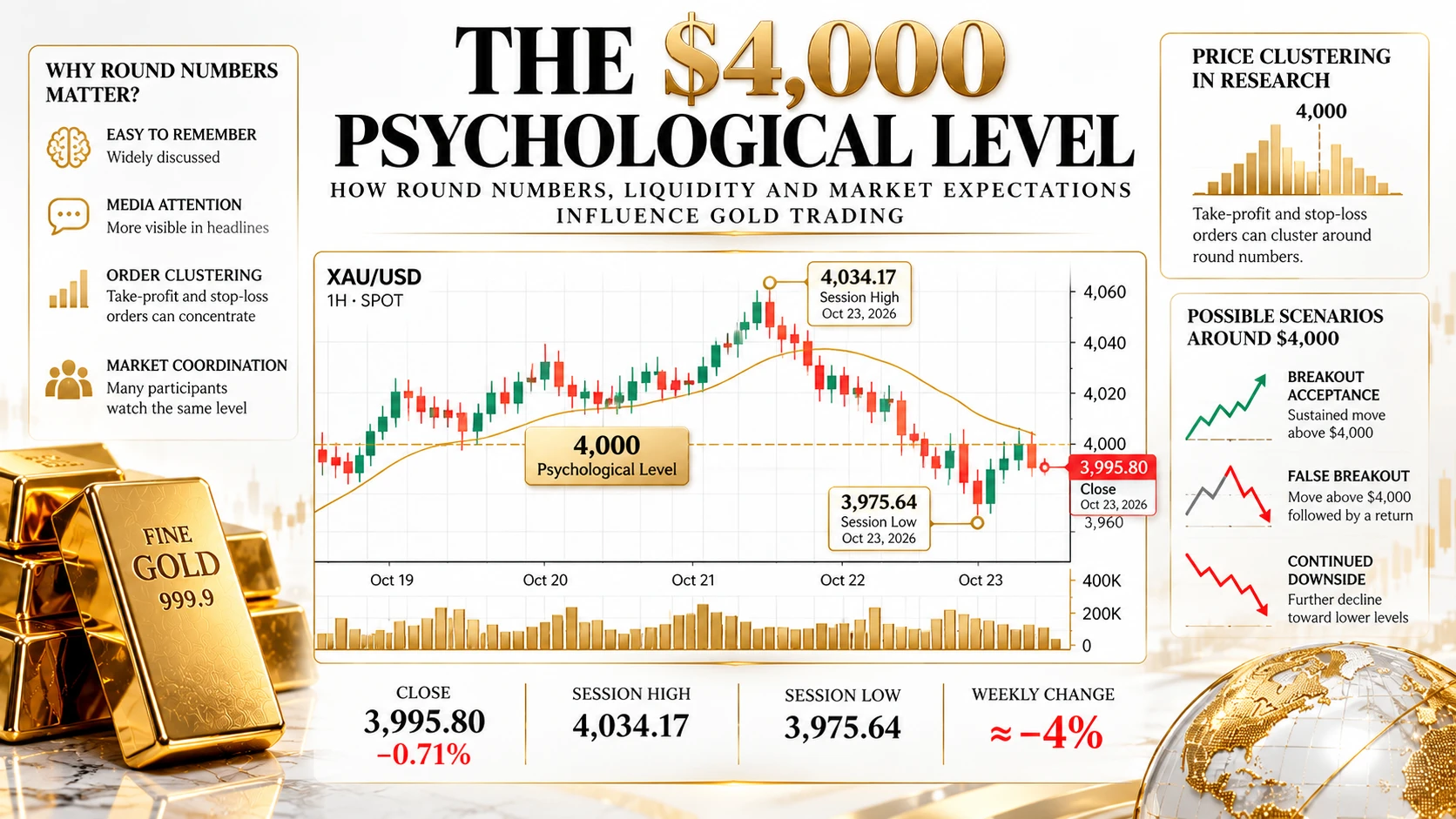 Market
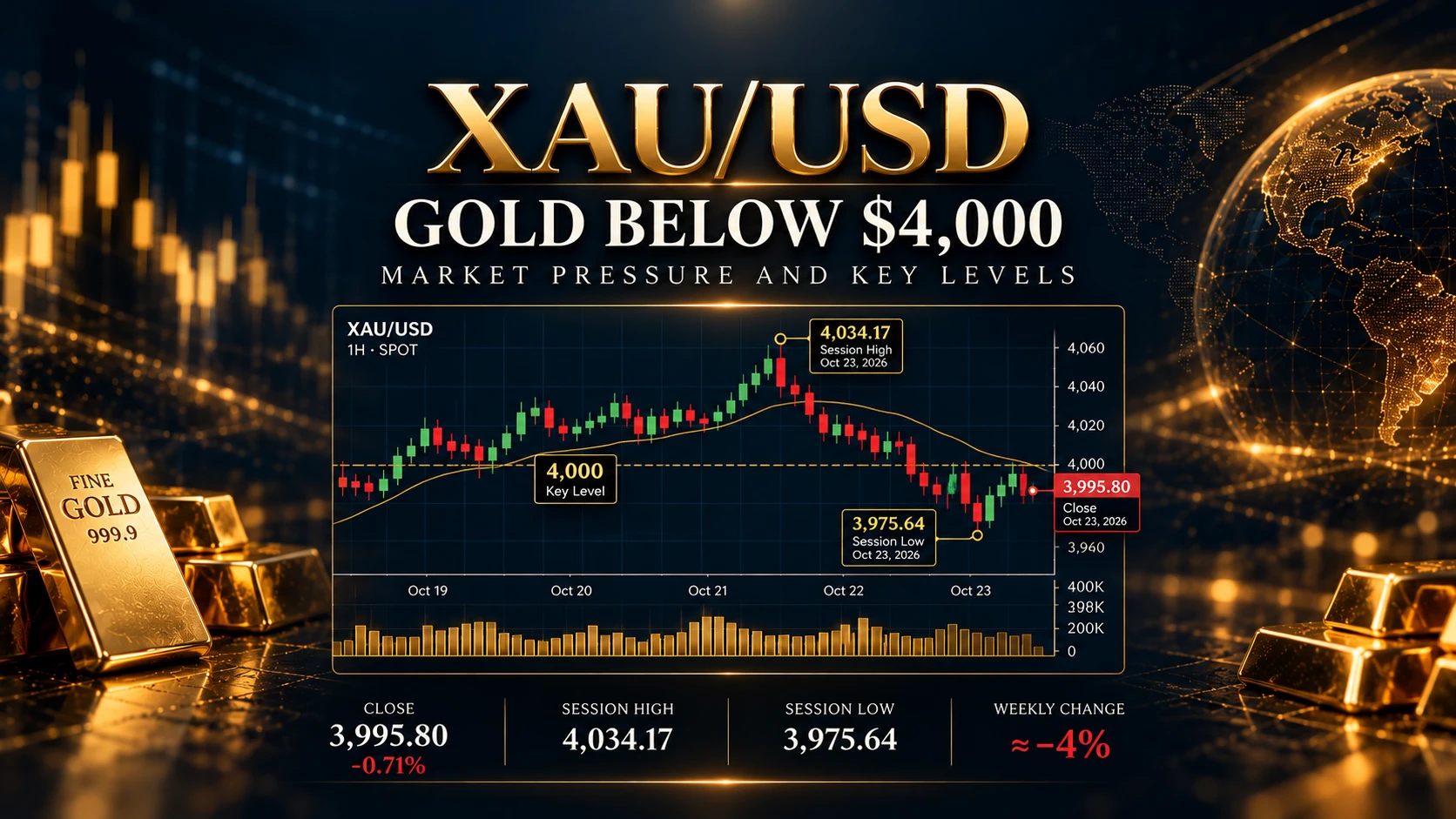 Market